
BLOG
Complete Guide to Seamless Garment Production
how seamless garments are made without a single stitch? This guide walks you through the entire process—from bonding principles and key machinery to setting up an efficient production line. Whether you're new to seamless technology or looking to optimize your factory, you'll find practical insights and real-world examples to help you get started.
Detail
Introduction: The Technological Revolution of Seamless Garments
Remember the days when you wore a new shirt and the tag scratched your neck, or the seams felt rough against your skin? That's exactly what seamless technology aims to fix. The ancient Chinese idiom "a seamless garment of celestial beings" described the flawless attire of immortals—and today, that ideal is within reach thanks to modern production techniques.
Put simply, seamless garments are made without traditional needle-and-thread stitching. Instead, we use hot melt bonding, ultrasonic welding, and high-frequency lamination to join fabrics. The result? No raised seams, no irritating threads—just a piece of clothing that feels like a second skin. For manufacturers, this technology doesn't just improve product quality; it also boosts production efficiency and cuts costs significantly.
Drawing on years of industry experience, I'll walk you through the ins and outs of seamless garment production—the equipment you need, the processes involved, and how to set up your production line for success.
I. Three Major Technical Routes for Seamless Garment Production
Depending on fabric characteristics and product requirements, there are three mainstream approaches:
1. Hot Melt Bonding Technology
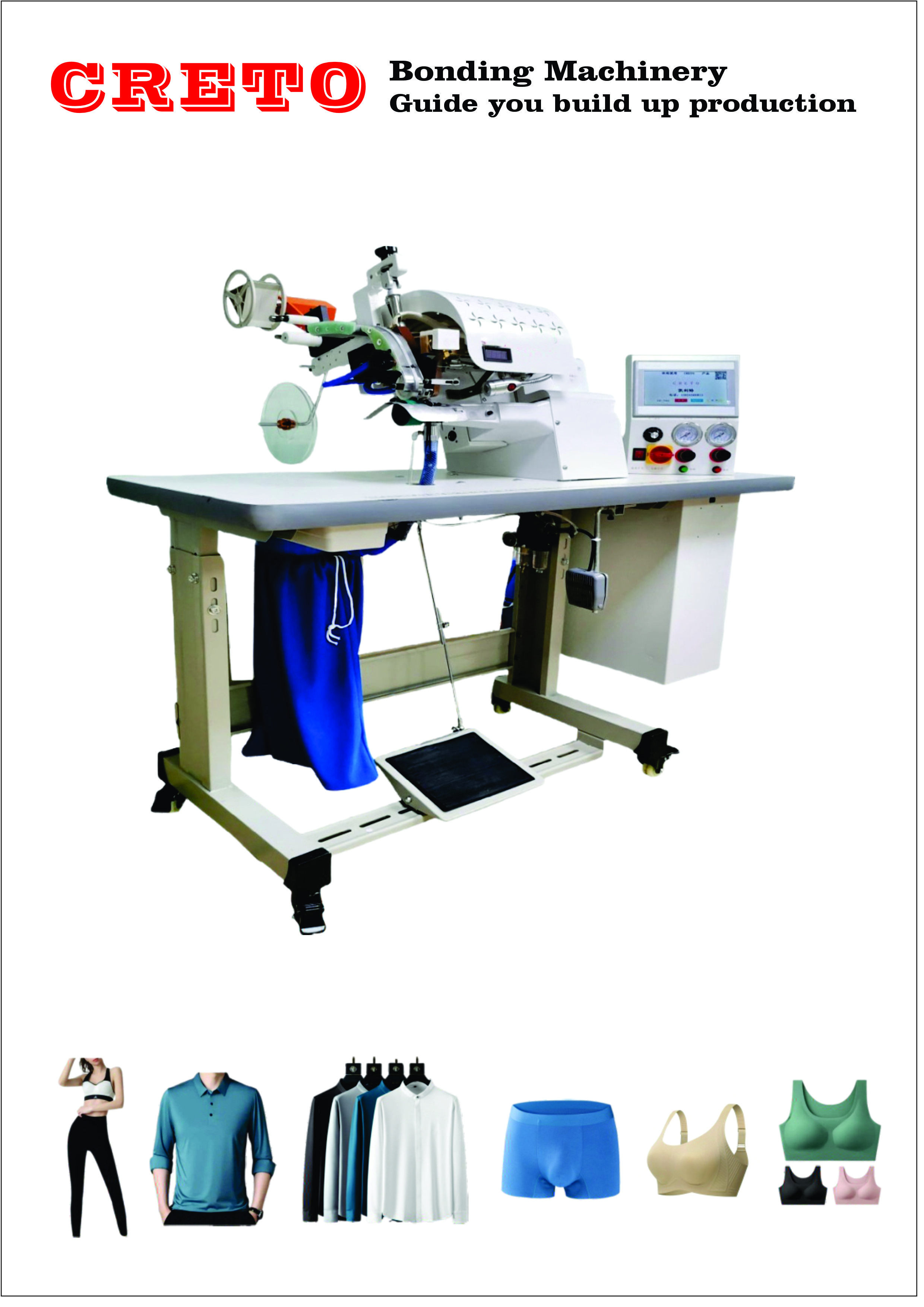
This is probably the most widely used method. The principle is straightforward: use hot melt adhesive film, PUR dot coating, or silicone as a bonding agent to fuse two or more layers of fabric under specific temperature and pressure. Think of it as gluing paper, but the "glue" must withstand washing and maintain elasticity.
Core Equipment—and it's not as simple as just one machine. Different parts of a garment require different tools:
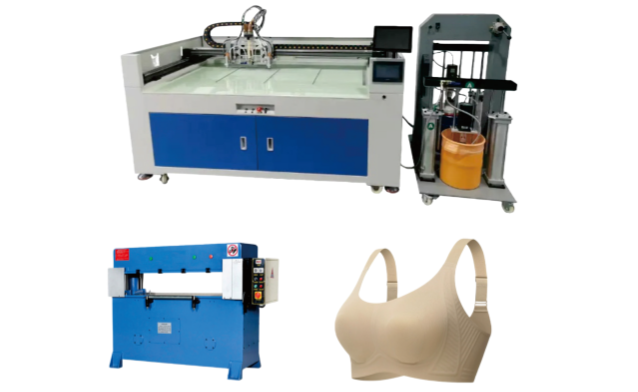
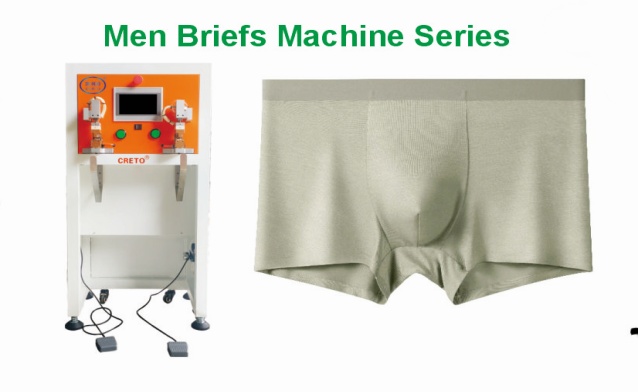
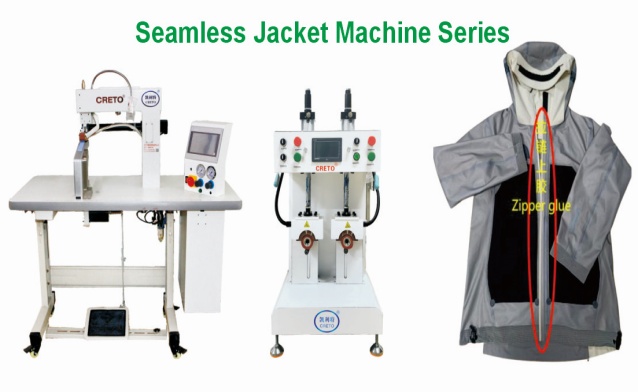
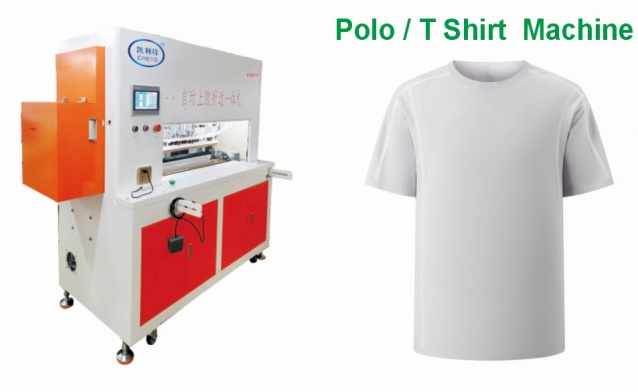
Gluing machines, edge folding machines, PUR dot coating & silicone dispensing integrated machines—these form the foundation of automation, chosen based on process requirements
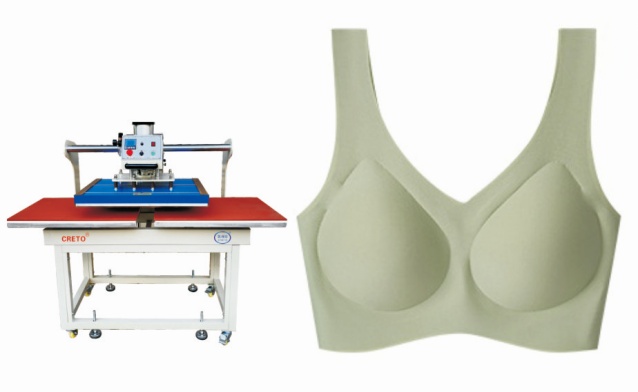
Flatbed heat press machines—the workhorses, suitable for bonding bra cups, assembling lingerie parts, and more
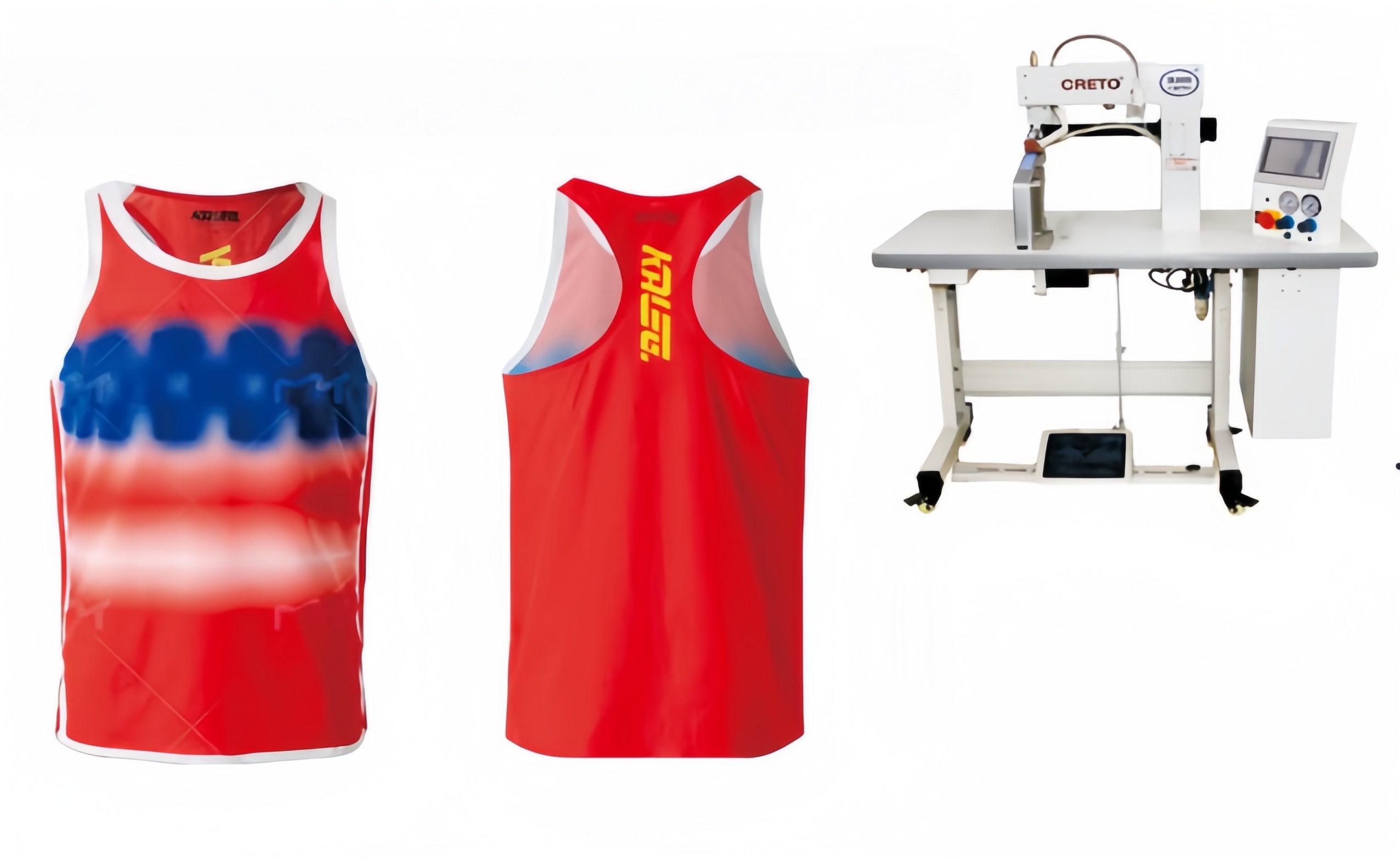
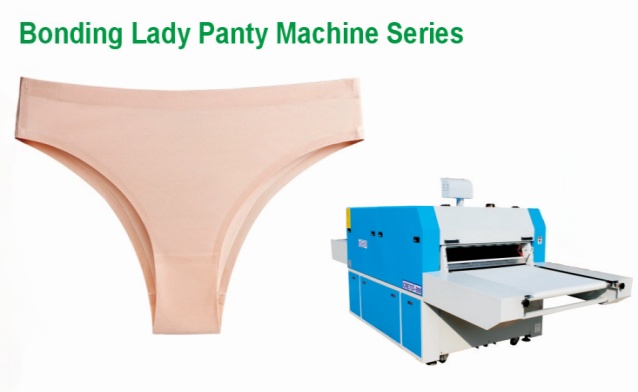
Continuous roller laminating machines—ideal for long materials like side seams on sports pants
Why choose this route? It delivers strong, washable bonds, works with various fabrics, and allows you to control whether you do full-surface bonding or just dot bonding. Dot bonding preserves fabric elasticity, so the garment doesn't feel restrictive.
2. Ultrasonic Welding Technology
This one's fascinating because it uses no adhesives at all. High-frequency vibrations cause the molecules at the fabric surfaces to rub together and generate heat, melting the layers together. It's similar to welding metal.
Common equipment:
Ultrasonic spot welders—for local fixing
Ultrasonic embossing machines—they can create patterns while bonding
Ultrasonic sewing machines—replace traditional sewing machines but leave no needle holes
The perks: it's eco-friendly (no glue), fast, and can cut and weld simultaneously. It's especially good for synthetic fabrics. Many sportswear logos and trims are made this way.
II. Complete Process Analysis of Seamless Garment Production
Getting seamless garments right isn't just about the bonding machine—the whole line needs to work together. We usually break the process down into these stages:
Stage 1: Fabric Preparation and Pre-treatment
This step often gets overlooked, but it's critical. Seamless production demands high fabric stability—if the fabric shrinks or deforms under heat, your efforts are wasted. So, incoming materials must be inspected, pre-shrunk, and set.
Key equipment:
Fabric pre-shrinking machines—let the fabric shrink before cutting
Stenters/setting machines—stabilize width and weight
Fabric inspection machines—catch defects early
Stage 2: Cutting Process
Cutting quality directly affects bonding. If cut edges are frayed or jagged, the bond will be uneven and may fail. Edges must be smooth and clean.
Take Shanghai Yongzi Fashion, an early adopter of seamless underwear in China. They use Lectra's automatic cutting systems, which cut at speeds up to 6 meters per minute. One machine does the work of ten skilled cutters—and with greater precision.
Common equipment:
Automatic cutters
Laser cutters
Oscillating knife cutters
Stage 3: Bonding and Setting
This is the heart of the process. Depending on the product design, you choose different bonding methods.
Key equipment:
High-frequency heat sealing machines—good for thicker materials like molded cups
Ultrasonic bonding machines—for thin fabrics or decorative effects
Heat press setting machines—give the final product its shape and stabilize dimensions